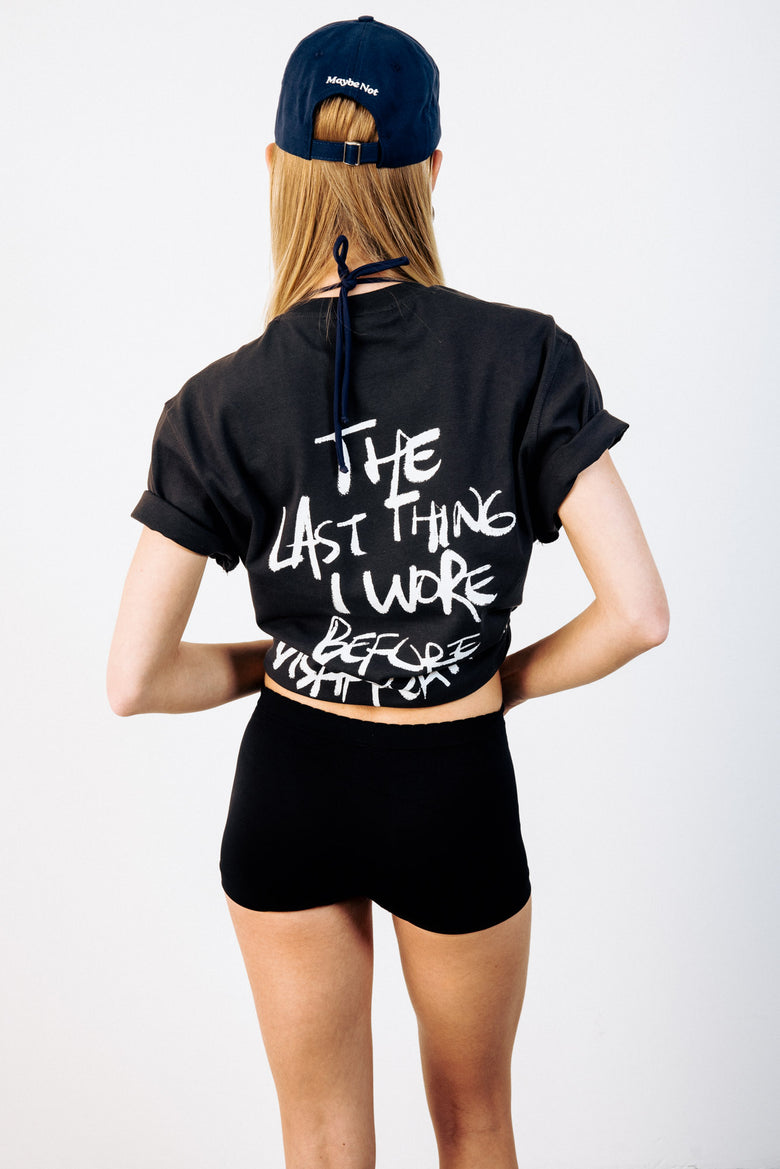


The Shirt's Turn: How a Woven Top Adds Structure to Streetwear
Streetwear spoke the language of knits for a long time: the tee and the hoodie. A woven shirt brings structure and a quieter maturity to the same outfit. Starting from the Freedom of Space selection in Nişantaşı, we look at the shirt's shifting place in street style.
For a long time the base fabric of street style was knit. A t-shirt, a hoodie over it; jersey softness, a collar that stretches, a graphic printed on top. That language does the job, but on its own it keeps the whole outfit in a single register. A woven shirt is exactly where that changes: it adds a spine to the same street wardrobe without any need for a jacket.
Looking at the shirt selection of a concept store that makes its own pieces in Nişantaşı, the point isn't whether a shirt reads as "formal." The point is the work a woven surface takes over from the tee: a collar that holds itself, fabric that sits on the air rather than the skin, a sleeve that leaves a line when you fold it. This is a store note on how that division of labour has been shifting lately.
The difference between knit and woven
A t-shirt spreads over you; a shirt stands. The distinction sounds technical, but it shows up directly in how a look reads: knit follows the line of the body, woven builds its own. That's why a shirt worn over a loose pair of trousers gives an outfit a "pulled-together" feel — with nothing ironed, nothing pinned into place. The mature, low-volume line streetwear has leaned into over the past few seasons draws straight from here.
How print and embroidery behave on a shirt
Say "graphic" and most people picture a chest print on a tee. On a woven ground the same motif behaves differently. On a hand-drawn embroidered shirt the pattern goes into the fabric; it doesn't sit on top like a print, it becomes part of the surface. For those who want to stay on summer's lighter side, a short-sleeve surfer shirt pairs its pattern with an easy cut. And for a calmer ground, a grey For Your Pleasure shirt carries its motif without raising its voice.
Open or buttoned — two ways to wear a shirt
A shirt's most practical trait is that it can be worn as two different pieces. Leave it open with a plain t-shirt underneath and the shirt turns into a top layer — almost a light overshirt — framing the silhouette from the shoulder down. Button it and wear it alone, and the same piece moves to the centre of the outfit. One shirt, two looks — the kind of economy street style likes.
What the long sleeve adds
As late summer evenings shorten, a long-sleeve shirt earns its place. A black signature long-sleeve shirt, on a plain ground, works across the whole day; a brown signature shirt is a warm alternative for anyone drawn to earth tones. Both stand on their own, but rolling the sleeve and slipping a tee underneath widens their range.
What to build around the shirt
When the shirt does the structural work up top, the bottom half only has to stay calm. A pair of black loose fit jeans or a relaxed pair of lounge pants balances the shirt's line without disturbing it. A camel F logo cap adds a small, measured accent up top. If you want more graphic, the t-shirt selection or the cap side can step in — but with a shirt on, the loudest piece in the outfit is usually the shirt itself.
Looking at the shirt rail of a concept store on the Teşvikiye side is really looking at how street style has grown up. The tee is still the base of the wardrobe; but a woven shirt adds one more sentence to that base without any strain. In late-summer Istanbul, this might be the most natural way to move through the day just as easily, only a little more structured.


