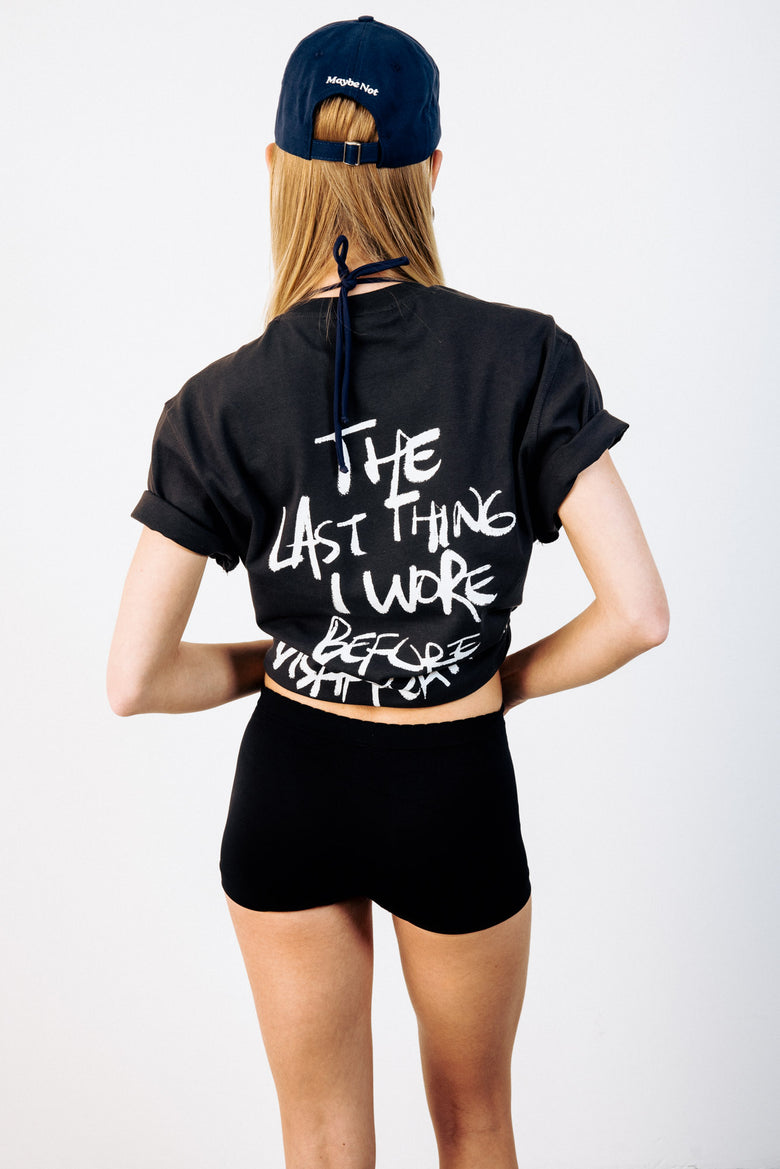


Raw Denim Is Back, and the Fading Is Your Job Now
Raw denim is front and centre again in 2026 — and that changed what a washed pair is for. From raw rinse to stone wash, distressed to deep indigo: which denim tone makes which outfit possible, and what the top half should do in each case.
If you want a pair of jeans to look its best the day you buy it, you buy them washed. If you want to build that best version yourself, you buy them raw. The whole denim conversation of 2026 sits between those two sentences — after years of pre-faded, already-lived-in fabric, the street has gone back to raw denim and handed the fading back to the person wearing it.
None of which means washed denim is finished. It means the two fabrics are finally doing clearly different jobs. That's why the difference between the denim tones sitting next to each other on the rail is less a question of taste than one of use.
The raw denim bargain: stiff now, yours in two years
Raw or rinse fabric really is stiff the first time you wear it. It doesn't break at the knee, it doesn't soften at the hem, and it pushes back a little for the first week. What you get in return is control: you decide where that fabric fades. The outline of a wallet, the angle you sit at on a bike, which pocket you keep your phone in — all of it shows up in the cloth six months later.
So when you pick up a raw rinse loose fit or a navy pair with its indigo still deep, the version worth judging isn't today's — it's the one two years out. The one place dark raw fabric wins immediately is line: a wide hem that reads messy in faded denim holds a clean vertical drop in dark cloth.
The first week in dark denim
Expect some crocking. Hold off on pairing a brand-new dark pair with pale tops or light footwear for a few washes; a washed black full zip or any dark sweat is the safer start. Wash cold, inside out and rarely, and the indigo stays where you want it — in the fabric.
Washed denim didn't end, it got redefined
A factory wash is no longer about faking age. It's about locking the tone in on day one, which is genuinely useful if you don't feel like waiting out a two-year fade. There are roughly three levels, and each one behaves differently.
A mid stone wash is the everyday default: it works under something dark and under a pale knit, and it never becomes the first thing you notice. A lighter wash with visible crease marks is deliberately on the loud side — keep the top half quiet and it can carry the whole outfit on its own. A neutral shadow tone between grey and blue lands in the middle and slots most easily into a wardrobe built on black and off-white.
Then there's the line that works through texture rather than colour: the black distressed and washed grey pairs in the core denim range push surface wear instead of fade. They're the opposite pole from raw denim, so there isn't much point in trying both in one outfit.
What the top half has to do
Change the denim tone and you change the job of everything above it. A simple hierarchy holds up: the louder the trousers, the quieter the top.
Over dark, plain denim you can carry pattern, graphics or colour — a baby blue knit sweater reads clearly against that kind of ground. Over a light wash, staying neutral works better: a washed grey sweatshirt or a black long sleeve shirt frames the bottom half instead of competing with it. In the mid tones you're free either way, which is why the sweatshirt and hoodie side pairs with mid washes more widely than with anything else.
One small thing: the sock showing under the hem tidies the bottom line when it sits a step darker than the denim. The same logic applies to a cap — keep the highest and lowest points of an outfit close in tone and the silhouette reads taller.
Denim jacket as the second layer
In late-September Istanbul, a denim jacket covers exactly the gap where a coat is too much and one layer isn't enough. The only rule is tonal distance: a light grey washed jacket gives clean contrast over dark jeans, while a black jacket sits better on a washed grey or blue bottom. Matching both halves is possible, but then you want a knit or a shirt breaking the middle — otherwise the fabric reads as one continuous boiler suit.
Around Teşvikiye and Nişantaşı, in the weeks when evening temperatures drop off a cliff, that combination genuinely earns its place: carried over the arm at midday, worn on the way home. Part of why a denim jacket never really leaves the rails of an Istanbul concept store.
So which one
If there's no denim in your wardrobe at all, a dark, plain pair is still the sensible first move — you get to steer the fade yourself. If you already own two or three, what's missing probably isn't a third dark pair but a tone clearly different from what you have. Worth asking one question while looking through the bottoms selection: which outfit does this pair make possible that the others can't?
Maybe that's the best part of raw denim coming back — the reminder that a garment can be improved by being worn. Washed jeans are complete the day you buy them. Raw ones only become yours after you've put some time into them.

